
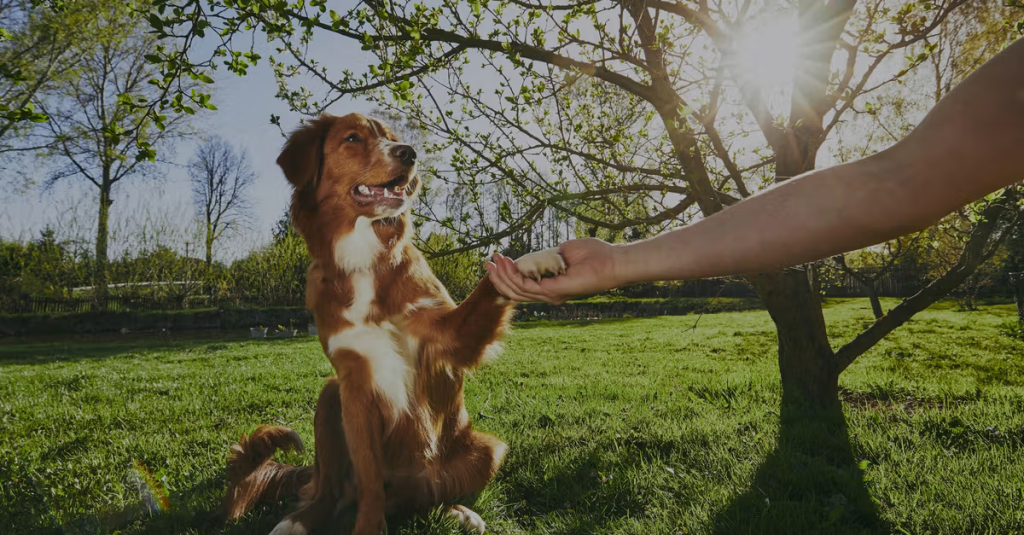
Labrador Retriever training is a critical part of developing a well-behaved, confident, and socially balanced dog. Labrador Retriever training focuses on shaping behavior early through structured communication, consistency, and positive reinforcement. Because Labradors are intelligent, energetic, and highly food-motivated, they learn quickly but also develop habits fast making proper guidance essential from the beginning. Modern Labrador Retriever training methods prioritize clarity, timing, and reward-based learning to build long-term obedience and emotional stability.
Rob’s Dog Training, applies science-backed techniques designed to improve obedience, leash behavior, recall reliability, and household manners using structured real-world applications aligned with modern 2026 training standards.
Why Early Labrador Retriever Training Matters
Early Labrador Retriever training plays a major role in shaping long-term behavior patterns. Puppies rapidly learn associations during their developmental stages, which means both good and bad habits can form quickly if not guided properly.
Key reasons early training is essential:
- Prevents reinforcement of unwanted behaviors such as jumping or chewing
- Builds foundational obedience before distractions become overwhelming
- Establishes communication patterns between handler and dog
- Improves emotional regulation during excitement triggers
Without structured guidance, Labradors may develop inconsistent responses, especially in high-energy environments.
Core Principles Behind Effective Labrador Retriever Training
Successful Labrador Retriever training relies on behavioral science principles that focus on motivation rather than force. Labradors respond best when training is engaging, rewarding, and predictable.
1. Positive Reinforcement Learning
Reward-based training strengthens desired behavior through immediate reinforcement. Treats, praise, and play create strong associations that encourage repetition of good behavior.
2. Marker-Based Communication
A clear marker system, such as a clicker or verbal cue, helps communicate exact moments of success. This improves learning speed and reduces confusion.
3. Timing and Consistency
Behavior is shaped most effectively when reinforcement happens within seconds of the correct action. Consistency across all interactions ensures stable learning patterns.
4. Controlled Progression Training
Skills are introduced gradually in low-distraction environments before advancing into more complex settings such as parks or busy streets.
Essential Skills in Labrador Retriever Training
A structured Labrador Retriever training program focuses on building core obedience skills that translate into everyday reliability.
Leash Manners and Walking Control
Loose-leash walking is one of the most important skills. Without it, daily walks become stressful and unsafe. Training involves rewarding calm walking and redirecting pulling behavior consistently.
Recall and Response Reliability
Recall training ensures the dog returns when called, even in distracting environments. This skill requires high-value rewards and progressive distance training.
Impulse Control Development
Labradors often struggle with excitement-based reactions. Teaching patience through “wait,” “stay,” and structured feeding exercises improves control.
Calm Greeting Behavior
Jumping on people is a common issue. Teaching an alternative behavior such as sitting during greetings helps build polite social interactions.
Common Challenges in Labrador Retriever Training
Even though Labradors are intelligent, certain behavioral challenges frequently appear during training.
Excessive Excitement
Labradors are naturally enthusiastic, which can lead to impulsive behavior. Structured exercises help channel this energy into controlled actions.
Leash Pulling
Pulling often occurs due to excitement and lack of direction. Repetition and directional changes help teach loose-leash walking.
Selective Listening
Distractions such as other dogs, people, or smells can reduce responsiveness. Gradual exposure improves focus over time.
Overstimulation in New Environments
New surroundings may overwhelm untrained Labradors. Controlled exposure builds confidence and reduces anxiety-based reactions.
Advanced Labrador Retriever Training Techniques
Once foundational skills are established, advanced training strengthens reliability and adaptability in real-world environments.
Distance and Off-Leash Control
Commands are practiced at increasing distances to ensure obedience remains reliable even when not physically close.
Duration Training for Patience
Sit, stay, and down commands are extended over time to build patience and mental discipline.
Environmental Distraction Training
Training in parks, sidewalks, and public spaces improves focus despite distractions.
Behavior Substitution Techniques
Unwanted behaviors are replaced with acceptable alternatives, reinforcing positive habits instead of punishment-based corrections.
Puppy vs Adult Labrador Retriever Training
Training approaches differ depending on age and development stage.
Puppy Training Focus
- Socialization with people and animals
- Basic obedience such as sit and recall
- Bite inhibition and gentle play behavior
- Short, frequent training sessions
Adult Dog Training Focus
- Correction of established habits like pulling or jumping
- Reinforcement of obedience under distraction
- Advanced leash control and recall reliability
- Behavior modification for long-standing issues
Both stages benefit from consistency, structured repetition, and reward-based reinforcement.
Training Tools That Improve Results
Effective Labrador Retriever training often includes tools that support communication and structure.
Common tools include:
- Treat pouches for immediate reinforcement
- Clickers or marker systems for precise communication
- Standard leash and training leash variations
- Structured harnesses for controlled walking sessions
These tools enhance clarity and improve training efficiency.
Science Behind Labrador Retriever Training
Modern Labrador Retriever training is grounded in behavioral science principles such as operant conditioning and reinforcement theory. Dogs learn through association, meaning behaviors followed by rewards are more likely to be repeated.
Labradors, in particular, respond strongly to food motivation and social reinforcement. This makes positive reinforcement one of the most effective training approaches for the breed. Consistent repetition strengthens neural pathways, turning learned behaviors into automatic responses over time.
Common Mistakes in Labrador Retriever Training
Avoiding training mistakes can significantly improve results.
Frequent errors include:
- Inconsistent rules between handlers
- Delayed reward timing
- Overuse of verbal corrections without reinforcement
- Skipping gradual progression steps
- Lack of training in real-world environments
Correcting these mistakes leads to faster progress and more stable behavior.
Professional Labrador Retriever Training Support
Some Labradors require structured professional guidance to overcome behavioral challenges or accelerate learning. Professional training programs provide consistency, controlled environments, and expert handling techniques that improve outcomes.
Rob’s Dog Training offers structured programs focused on obedience development, leash behavior improvement, and real-world reliability. More information is available at https://robsdogs.com/.
Frequently Asked Questions
How long does Labrador Retriever training take?
Basic obedience can take several weeks, while advanced reliability may take several months depending on consistency and environment exposure.
Are Labradors easy to train?
Yes, Labradors are highly trainable due to intelligence and food motivation, but consistency is required to manage their high energy levels.
What age should training start?
Training should begin as early as 8 weeks old to establish foundational behaviors and prevent unwanted habits.
Can older Labradors still be trained?
Yes, adult Labradors can learn new behaviors, although modification of existing habits may require more structured repetition.
Building Reliable Behavior Through Labrador Retriever Training
Labrador Retriever training is a long-term process that focuses on communication, consistency, and positive reinforcement. When structured correctly, Labradors develop into obedient, calm, and socially well-adjusted companions capable of responding reliably in everyday environments.
Success depends on early intervention, clear expectations, and ongoing reinforcement across different settings. With the right approach, training becomes not just a process of obedience, but a foundation for a stronger and more balanced relationship between dog and handler.
For structured guidance and professional-level support, Rob’s Dog Training provides proven methods designed to improve behavior, strengthen communication, and build lifelong obedience in Labradors.